What to Do If Your Content Is Leaked
A step-by-step guide to getting stolen content taken down — what actually works, what doesn't, and what to expect at each stage.
Finding your paid content on a site you've never heard of is a horrible feeling, and the instinct is to do something immediately. That instinct is right, but the order matters. Here's what to do, starting now.
1. Document it before you do anything else
Before you contact anyone, capture what you're looking at. Sites remove content quietly, reupload it under different URLs, and delete pages when they sense a complaint coming. If that happens before you've recorded anything, you have nothing to point to.
Capture, for each place your content appears:
- The full URL of the page, not just the site's homepage
- A screenshot showing the content and the URL bar together
- The date and time you found it
- Any username or account that posted it
Do this for every URL. If the same file appears on twelve pages of a site, that's twelve URLs, and a takedown notice that lists one of them only removes one of them.

2. Confirm it's actually your content and that you own it
This sounds obvious, and mostly it is. But a DMCA notice is a sworn legal document, and filing one about content you don't own carries real consequences — including liability for damages and legal costs.
Two situations worth checking. If a photographer shot the images, they may hold the copyright rather than you, depending on what your agreement said. And if you posted the content to a platform, check whether you granted that platform any rights that affect what you can enforce. Most creator platforms leave copyright with you, but it's worth knowing rather than assuming.
You do not need to register your copyright to file a DMCA notice. Copyright exists automatically the moment you create original work. Registration matters if you ever sue for statutory damages, but it isn't required for a takedown.
3. Find out who to send the notice to
You have two targets, and they're different: the site itself, and the company hosting the site.
Start with the site. Look for a DMCA, Copyright, Legal, or Abuse page — most sites that traffic in leaked content have one, because it's what keeps their hosting provider from dropping them. Some genuinely act on notices. Many don't.
The host is the more useful target. Every website sits on someone's servers, and that company has its own legal exposure if it knowingly hosts infringing material. Hosting providers act on notices far more consistently than the sites do.
To find the host, run the domain through a WHOIS or hosting lookup — several free tools do this. You're looking for the hosting company name and their abuse contact address. Note that many sites sit behind a CDN like Cloudflare, which isn't the host but will forward complaints to them.
4. Send the notice
For a DMCA notice to be valid under U.S. law, it has to contain specific elements. Missing any of them gives the recipient a reason to ignore it:
- Identification of the copyrighted work being infringed
- Identification of the infringing material, with specific URLs
- Your contact information
- A statement that you have a good faith belief the use isn't authorized
- A statement, under penalty of perjury, that the information is accurate and that you are the copyright owner or authorized to act on their behalf
- Your signature, physical or electronic
That last element is the one people underestimate. "Under penalty of perjury" is not decorative language. It's why the notice carries weight, and why filing a careless one is a bad idea.
A note on your name. A DMCA notice carries whatever contact details you put in it, and those details travel further than most people expect. If you work under a stage name, think carefully before putting your legal name on a notice you file yourself. An authorized agent can file on your behalf instead. We've written more on what happens to your personal information when you file.
5. File for search engine removal at the same time
This is the step most people miss, and it's often the one that helps fastest.
Getting content off a site and getting it out of search results are separate processes. The major search engines each accept copyright removal requests through their own forms, and they act independently of whatever the host does. A page can stay live while disappearing from search entirely. Note that each engine runs its own process — submitting to one does nothing for the others.
That matters because most people who find leaked content find it by searching. Removing the search result removes most of the traffic, even while the original page is still up.
6. When they ignore you
Many sites will. Here's what's left:
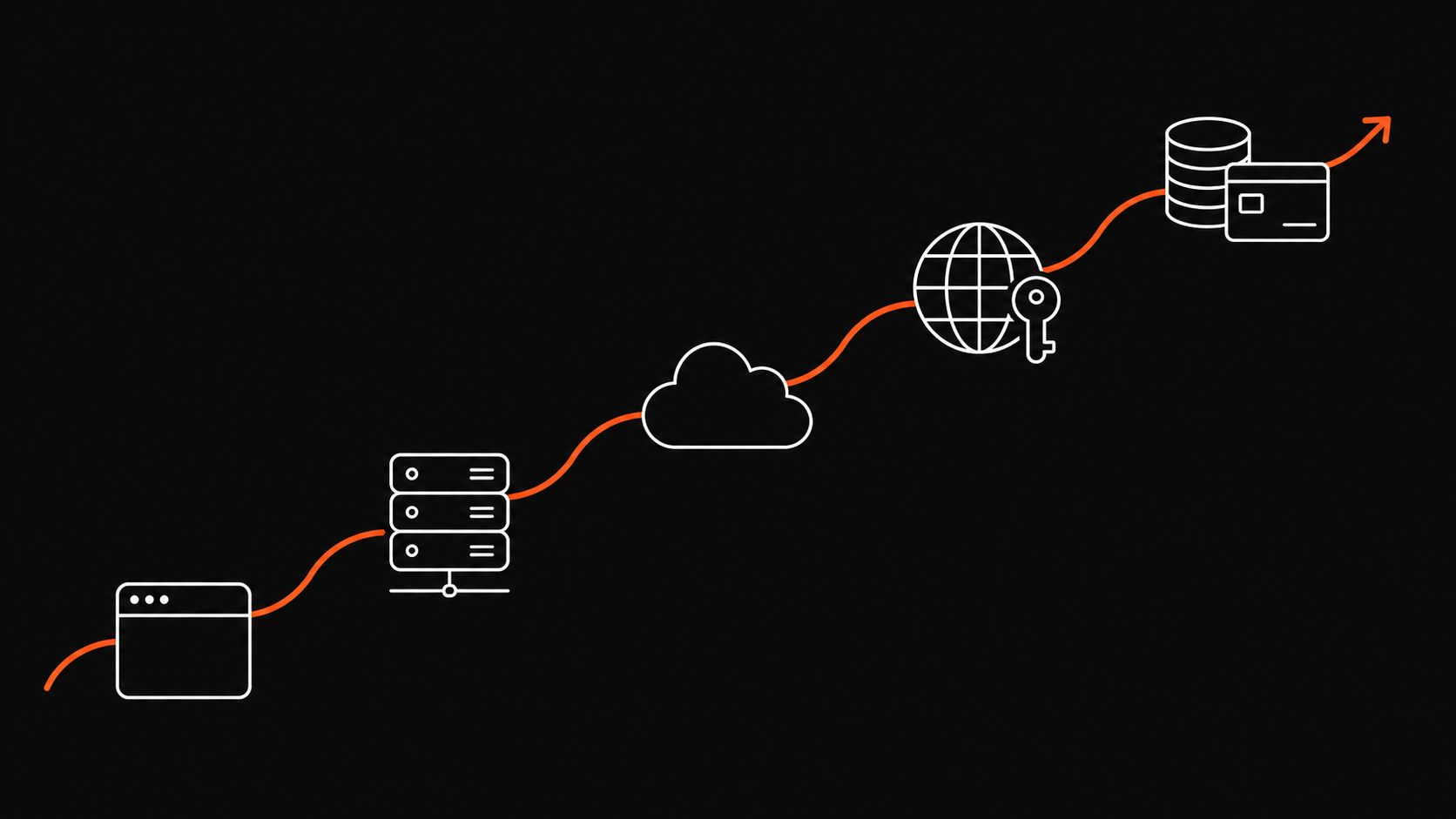
Escalate to the host
If you notified the site and nothing happened, the host is next. Include the original notice, the date you sent it, and the fact that it was ignored. Hosting providers are far more responsive because their own legal protection depends on acting.
Escalate to the registrar
The company that sold the domain name has its own terms of service, which usually prohibit using the domain for infringement. This works less often, but it costs nothing to try.
Go after the revenue
Leak sites are businesses. They run on advertising and payment processing, and the companies providing both have policies against funding infringement. That's the pressure point a site actually feels, because it threatens income rather than one page — and it's the step almost nobody takes.
What to expect, honestly
Response times vary enormously. Some hosts act within a day. Others take weeks or never respond. Sites based in jurisdictions outside U.S. law may simply ignore the DMCA entirely, in which case the host and the revenue chain are your only leverage.
Content also comes back. Removing a file doesn't stop someone reuploading it, which is why this tends to be ongoing work rather than a one-time fix.
And a site can file a counter-notice claiming the material isn't infringing. If that happens, the host can restore the content after a statutory waiting period unless you file a lawsuit. This is rare with leaked paid content, but it's part of how the process works and worth knowing exists.
What doesn't work
- Commenting on the post or messaging the uploader. It tips them off, and they'll reupload elsewhere before you've filed anything.
- Threatening legal action you won't take. Sites that host leaked content receive these constantly and ignore them.
- Platform DRM. It stops casual downloading inside the platform. It does nothing once a file is out, and screen recording defeats it.
- Waiting to see if it spreads. It spreads.

If you'd rather not do this yourself
Everything above is work you can do. It's also work that repeats every time a file resurfaces, across every site it lands on, forever.
Cypra DMCA does it for you. Files are marked and issued a timestamped ownership certificate at upload, so proof exists before anything happens. We search the web continuously, file the notices, handle search engine removal by hand across five engines, and escalate to hosts, CDNs, and registrars when a site stalls. On our Max plan, we go after the ad networks and payment processors funding the site. Notices are filed under your stage name — your legal name never appears.
See plans and pricingThis guide is general information about the DMCA takedown process and is not legal advice. Cypra DMCA LLC is not a law firm. For advice about your specific situation, consult a licensed attorney in your jurisdiction.